knowledge center

ASC 820 Valuation
Services in the USA

Reliable Fair Value Measurement and Analysis

ASC 820 Valuations

Fair Value Measurement
for Modern Businesses

ASC 820, a key component of GAAP, requires investments to be measured and reported at fair value, with assets classified according to their liquidity levels. AcumenSphere supports this requirement by delivering accurate, defensible, fair value assessments. Our specialists use recognised methodologies, including the Income Approach, Market Approach, and Cost Approach, selecting methods based on asset characteristics to reflect economic reality and regulatory expectations. We emphasise audit readiness by following industry best practices and AICPA guidance. Our robust modelling, documentation, and market-based analysis provide clarity during financial review, ensuring your ASC 820 valuations remain reliable, transparent, and built for compliance.


Purpose of an
ASC 820 Valuation

ASC 820 establishes a standardized framework for fair value measurement, ensuring financial statements remain consistent, transparent, and comparable. It supports accurate reporting by defining valuation methods and a fair value hierarchy. For companies governed by US GAAP and SEC requirements, ASC 820 compliance is essential. Fair value measurement strengthens the quality and reliability of reported assets and liabilities.

Why Choose Us

How AcumenSphere Adds Value?

Multidisciplinary Certified
Experts

Collaborate with CPAs, CFAs, ABV®, ASA, MRICS, and CVA® professionals, supported by valuers, lawyers, and regulatory specialists.

Agile Processes, Fast
Turnarounds

Experience streamlined workflows that ensure timely delivery with uncompromised accuracy, transparency, and quality.

High-Quality, Cost-Optimised
Deliverables

Leverage secure systems and advanced tools to achieve measurable results while maintaining efficiency and cost control.

Access to Global Intelligence
Databases

Gain insights backed by trusted platforms such as S&P Capital IQ, Tracxn, PitchBook, and Royalty Range for data-driven decisions.

Proven Experience Across Multiple
Engagements

Benefit from a track record of successful advisory assignments across industries and business functions.

Accurate, Defensible, and Insight-Driven Reports

Receive transparent, audit-ready deliverables that stand up to regulatory, investor, and audit scrutiny.

Request Your ASC 820 Valuation Report Today

Make An Appointment

Request a free quote

    Why ASC 820 Valuation
    Matters for Financial Reporting

    Accurate ASC 820 valuations shape how companies present their financial position, affecting balance sheets, income statements, and required disclosures. Fair value measurement influences decisions made by investors, regulators, and management, making consistency and transparency essential. Reliable valuations ensure assets and liabilities reflect current market conditions and align with US GAAP and SEC expectations. Incomplete or inaccurate fair value reporting can lead to compliance risks, audit challenges, and erosion of stakeholder trust.

    Other Services

    Explore Our Other Service Offerings

    Valuation

    Providing defensible business valuations across transactions, compliance, and financial reporting, ensuring transparency, accuracy, and alignment with global standards and investor expectations.

    India Entry Services

    Guiding US businesses through market entry, structuring, and compliance to establish, scale, and operate successfully within India’s evolving regulatory environment.

    Business and Risk Advisory

    Helping organizations mitigate risks and optimize growth through data-driven strategy, financial insight, and structured risk management frameworks.

    Accounting and Book Keeping

    Delivering precise accounting, reporting, and bookkeeping services that enhance financial visibility, compliance, and operational efficiency for growing enterprises.

    Taxation

    Providing strategic tax planning, compliance, and advisory support to optimize liabilities, improve efficiency, and ensure alignment with evolving tax regulations.

    Industries We Serve

    Industries That Benefit
    From Our Expertise

    Make confident decisions with valuation, financial, accounting, taxation, and advisory support tailored to your sector and stage. We enable compliance and growth across technology, manufacturing, healthcare, consumer, financial, real estate, and energy.
    Technolgly

    Technology & Digital

    We support startups and scale-ups, SaaS/product companies, IT services providers, data centres, and telecom/OTT platforms.
    Consumer

    Consumer, Retail & Hospitality

    We support FMCG brands, D2C labels, retail chains/marketplaces, distributors, hotels, and QSRs.
    Automotive

    Manufacturing & Automotive

    We serve OEMs, Tier-1/2 suppliers, MSMEs, and process/discrete plants across metals, chemicals, and components.
    Financial Services & Investment

    Financial Services & Investment

    Our clientele includes banks, NBFCs, insurers, fintechs, mutual funds/AMCs, and PE/VC funds.
    Healthcare & Life Sciences

    Healthcare & Life Sciences

    We help hospitals, diagnostic chains, pharma and biotech firms, and medical device manufacturers.
    realestate

    Real Estate, Infrastructure & Energy

    Our partnerships span developers, EPC/contractors, REITs/infra SPVs, power/renewables, oil & gas, and warehousing/logistics.

    Speak With Our
    Fair Value Specialists Now

    Independent valuations for compliance and transparent disclosure

    Testimonials

    Client love us &
    we love them

    preloader-image

    AcumenSphere’s expertise and deep insights guided our business growth with confidence and clarity, helping us make critical strategic decisions efficiently.

    Unicorn Enterprise

    Client

    AcumenSphere’s expertise and deep insights guided our business growth with confidence and clarity, helping us make critical strategic decisions efficiently.

    Unicorn Enterprise

    Client

    A trusted partner delivering reliable valuations, strategic advice, and smooth business expansion, while consistently exceeding expectations with professionalism and speed.

    Tech Startup

    Client

    latest Blogs

    Amazing research
    news & blogs

    Business Expansion Plans
    January 20, 2026

    Why Do Most Business Expansion Plans Fail on Paper, Not in the Market?

    View More
    Benefits of Business Operations Consulting For Startups
    January 19, 2026

    What Startups Gain by Hiring a Business, Financial & Regulatory Consulting Firm?

    View More
    Brand Equity vs Brand Value
    January 16, 2026

    Brand Equity vs Brand Value: Measuring Your Brand’s True Worth

    View More
    1 2 3

    Fair Value Insights That
    Strengthen Financial Reporting

    ASC 820 sets the foundation for measuring fair value through market-based principles and clearly defined inputs. At AcumenSphere, we help organizations interpret and apply these requirements so their valuations remain consistent, transparent, and defensible.

    Key Concepts in ASC 820 Valuation

    The Fair Value Hierarchy: Level 1, Level 2, and Level 3 Inputs

    The ASC 820 fair value hierarchy ranks the quality and reliability of inputs used in valuation techniques. This hierarchy promotes consistency by prioritizing observable data from active markets over assumptions and estimates.

    • Level 1 Inputs: Quoted prices in active markets for identical assets or liabilities that the entity can access at the measurement date.
      Example: Publicly traded equity securities where prices are directly available.
    • Level 2 Inputs: Inputs other than quoted prices that are observable for the asset or liability, either directly or indirectly.
      Example: Prices of similar assets in less active markets, interest rate yield curves, or credit spreads.
    • Level 3 Inputs: Unobservable inputs used when observable data is not available. These rely on management judgment, assumptions, or models.
      Example: Private equity valuations or complex derivative instruments.

    This hierarchy ensures transparency in reporting by disclosing the degree of subjectivity involved in each valuation.

    Market Participant Assumptions

    ASC 820 requires valuations to reflect the assumptions that market participants would use in pricing the asset or liability, not those specific to the reporting entity. This means that fair value is determined from a market-based perspective, considering factors like:

    • Market conditions on the measurement date.
    • Expected risks, cash flows, and future economic benefits.
    • The highest and best use of the asset.

    This approach ensures that valuations align with real-world trading behavior and investor expectations rather than internal management estimates.

    Principal and Most Advantageous Market Determination

    Fair value measurement under ASC 820 must be based on the principal market, the market with the greatest volume and level of activity for the asset or liability.

    If no principal market exists, the valuation should use the most advantageous market, which provides the best price after considering transaction and transport costs.

    Understanding market selection is essential because it impacts valuation outcomes and compliance. Entities must document the basis for determining which market represents fair value to meet ASC 820 disclosure requirements and audit expectations.

    How Market Data and Assumptions Drive ASC 820 Valuations?

    One of the core distinctions in ASC 820 fair value measurement lies between observable and unobservable inputs:

    • Observable Inputs: Data derived from market information available to independent sources, such as stock exchanges or pricing services.
    • Unobservable Inputs: Internal assumptions or models used when external data is unavailable, often applied in Level 3 valuations.

    Balancing these inputs correctly ensures valuations are both market-representative and compliant. The preference is always for observable data, but in illiquid or private markets, robust models and disclosures are critical to demonstrate reliability.

    Assets and Liabilities Covered Under ASC 820

    ASC 820’s fair value framework applies to a broad range of assets and liabilities across industries. Understanding these categories helps ensure valuations remain compliant and consistent with market-based measurement principles.

    Financial Instruments (Equity, Debt, Derivatives)

    Financial instruments are the most commonly assessed under ASC 820, as they represent a significant portion of an entity’s balance sheet. Their valuation reflects current market conditions and incorporates data from the fair value hierarchy to ensure transparency and accuracy.

    Equity Instruments: Equity instruments include both publicly traded securities and private company shares.

    • Publicly traded equity: Measured using Level 1 inputs where quoted market prices are available on active exchanges.
    • Private equity: Often valued using Level 2 or Level 3 inputs through approaches such as comparable company analysis, precedent transactions, or discounted cash flow (DCF) models. The valuation objective is to capture the price that market participants would pay for the same equity interest under normal market conditions.

    Debt Instruments: Debt instruments include corporate bonds, loans, notes, and convertible debt.

    • For actively traded debt, quoted prices from observable markets are used to determine fair value.
    • For illiquid or privately held debt, analysts use valuation models that consider yield curves, credit spreads, and risk-adjusted discount rates.
      ASC 820 requires these inputs to reflect the issuer’s credit risk, market interest rates, and other conditions that a market participant would consider in pricing the instrument.

    Derivative Instruments: Derivatives, including options, forwards, swaps, and futures, derive their value from underlying assets or indices.

    • For exchange-traded derivatives, fair value is typically based on observable market prices (Level 1 inputs).
    • For over-the-counter derivatives, fair value is estimated using valuation models such as Black-Scholes or binomial models that incorporate market-based assumptions about volatility, interest rates, and counterparty credit risk. The aim is to ensure that derivative valuations reflect both the current market dynamics and the risk profile of the contract.

    Intangible Assets (Patents, Technology, IP)

    Include patents, software, trademarks, customer relationships, and intellectual property. Often relies on Level 3 inputs due to limited market data. Commonly valued using income-based methods like the relief-from-royalty or multi-period excess earnings approach. Accurate assumptions and documentation are essential for ASC 820 compliance.

    Real Estate, Plant, and Equipment

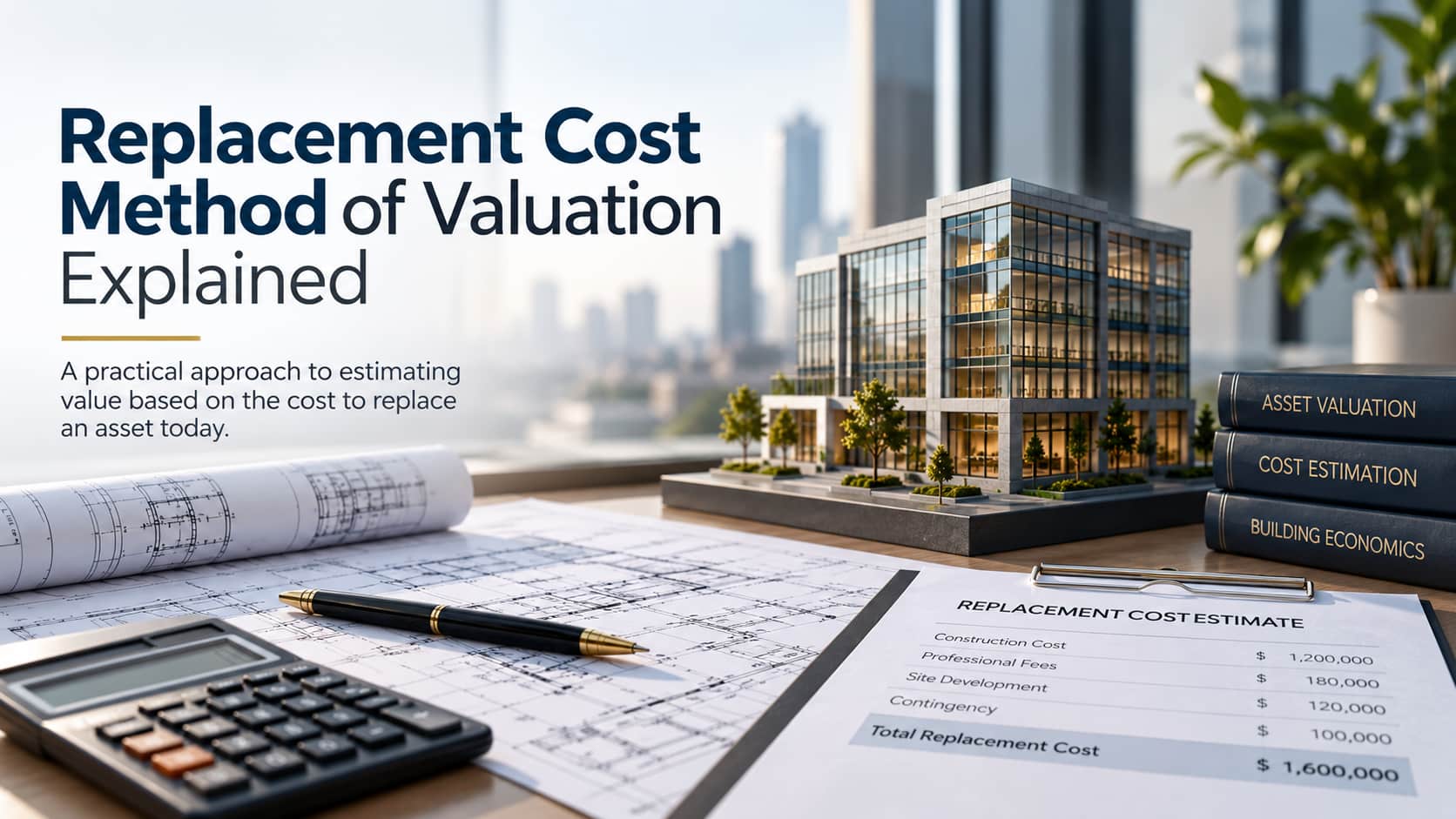
    Covers assets like commercial properties, industrial plants, and machinery. Valued using market or cost approaches, considering comparable sales, asset condition, and remaining life. Fair value reflects the asset’s highest and best use per ASC 820.

    Contingent Liabilities and Earn-Outs

    Represent obligations or payments tied to future events or milestones. Valued using probability-weighted cash flow models and market-based discount rates. Typically classified as Level 3 inputs requiring detailed disclosures.

    Employee Stock Options and Share-Based Payments 

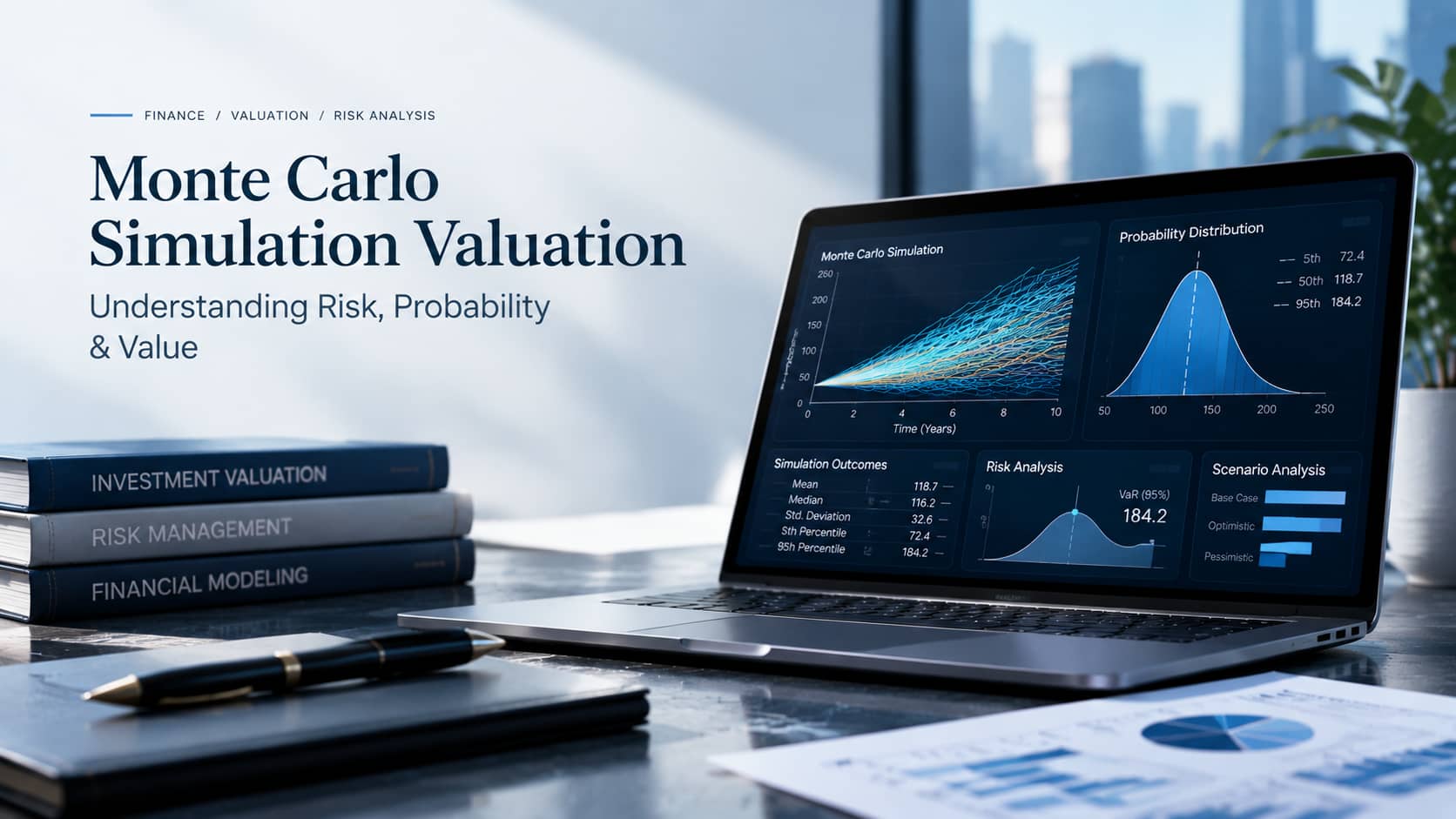
    Include stock options, RSUs, and similar awards. Valued on the grant date using models like Black-Scholes or Monte Carlo simulations, based on factors such as volatility and option term. Ensures GAAP compliance and transparent expense recognition.

    When Do You Need an ASC 820 Valuation?

    ASC 820 valuations are required whenever fair value measurement and disclosure are needed under US GAAP. Common situations include:

    • Financial Reporting and Disclosures: For quarterly or annual reports under US GAAP, companies must measure certain assets and liabilities at fair value, including investment securities, derivatives, and intangible assets.
    • Business Combinations and M&A Transactions: Fair value assessments are needed during acquisitions for purchase price allocation of assets, liabilities, and goodwill, ensuring accurate post-transaction reporting.
    • Fund Valuations for Investment Entities: Hedge funds, private equity firms, and venture capital firms require ASC 820 valuations to determine portfolio fair value and ensure transparent Net Asset Value (NAV) reporting.
    • Impairment Testing: When trigger events such as economic downturns or operational losses occur, ASC 820 valuations help determine whether asset values should be adjusted to reflect current fair value.
    • Share-Based Compensation and ESOPs: Used to determine the fair value of stock options, restricted stock units, and other share-based payments in compliance with ASC 718 for accurate compensation reporting.

    How AcumenSphere Adds Value to Your ASC 820 Valuation 

    Selecting the right valuation partner ensures your reports are reliable, defensible, and audit-ready. AcumenSphere combines technical expertise, regulatory knowledge, and market insights to deliver valuations aligned with ASC 820 and GAAP standards.

    The following are key reasons why businesses across the USA choose AcumenSphere for their ASC 820 valuation needs:

    Proven Expertise in Fair Value Measurement and Financial Reporting

    Our team brings proven expertise in applying ASC 820 across multiple sectors, including technology, healthcare, real estate, and manufacturing. We possess a strong command of FASB and SEC disclosure and audit documentation requirements, ensuring every valuation and report aligns with prevailing regulatory and accounting standards.

    Experienced Team of CPAs, CFA Charterholders, and Valuation Analysts

    Our multidisciplinary professionals combine financial, accounting, and valuation expertise to deliver insights that are both precise and defensible. Each engagement benefits from the active involvement of senior experts, whose hands-on approach ensures analytical rigour and high-quality outcomes.

    Advanced Valuation Models Backed by Market Data

    We employ established valuation techniques such as Discounted Cash Flow (DCF), option-pricing models, and market comparables, supported by real-time market data and credible databases. This integration ensures that every analysis reflects authentic market participant assumptions and provides a fair, data-backed perspective.

    Transparent, Independent, and Defensible Valuation Reports

    Our reports provide clear methodologies, key assumptions, and the rationale behind each conclusion. We uphold the principles of independence, objectivity, and confidentiality, ensuring our work withstands audit scrutiny and supports full regulatory compliance – all delivered within agreed timelines.

    Get ASC 820 Fair Value in the USA with the Best ASC 820 Valuation Firm

    Accurate ASC 820 valuation is essential for reliable financial reporting and regulatory compliance. AcumenSphere provides end-to-end fair value measurement services tailored to your specific reporting needs. Whether you are a public company, private enterprise, or investment fund, our expert team ensures your valuation reflects true market-based fair value under US GAAP.

    What You Can Expect?

    • In-depth understanding of ASC 820 and related accounting standards.
    • Thorough, audit-ready documentation aligned with FASB and SEC requirements.
    • Seamless communication with auditors, management, and compliance teams.
    • Commitment to independence, accuracy, and transparency throughout the process.

    Partnering with AcumenSphere means gaining a valuation that is not only technically sound but also strategically valuable for your organization’s decision-making and reporting integrity.

    Schedule a Consultation for ASC 820 With Our Valuation Experts

    Ready to ensure compliance and accuracy in your fair value reporting? Schedule a consultation with our valuation experts to discuss your specific requirements.

    How Can We Assist You?

    • Personalized guidance on applying ASC 820 principles to your business.
    • Comprehensive support in preparing documentation for auditors or regulators.
    • Expert insights to help you interpret valuation results and market data.
    • Timely service delivery to align with your financial reporting deadlines.

    Connect with AcumenSphere today to start your ASC 820 valuation process with confidence.

    Other Valuation Services Offered by AcumenSphere

    In addition to ASC 820 Fair Value Measurement, AcumenSphere provides a full range of valuation and financial advisory services designed to meet diverse business and compliance needs.

    Our key service areas include:

    • Purchase Price Allocation (ASC 805): Fair value assessment of assets and liabilities acquired in business combinations.
    • Goodwill and Intangible Asset Impairment Testing (ASC 350): Periodic testing to evaluate potential asset impairments.
    • Stock-Based Compensation Valuation (ASC 718): Fair value determination for employee stock options, RSUs, and share-based awards.
    • 409A Valuation for Private Companies: Independent valuation of private company stock to support compliance and compensation planning.
    • ESOP and Equity Valuations: Analysis and reporting for employee ownership plans and internal transactions.
    • Portfolio Valuations for Funds: Fair value measurement for venture capital, private equity, and hedge fund portfolios.

    AcumenSphere delivers precise, compliant, and data-driven valuations that empower organizations to report with confidence and transparency.

    Know More

    Frequently Asked Questions

    About ASC 820 Valuation

    ASC 820 defines the fair value measurement framework, while ASC 805 applies it during business combinations, and ASC 350 focuses on testing goodwill and intangible asset impairment.

    Yes, ASC 820 is a key component of US GAAP established by the Financial Accounting Standards Board (FASB).

    Assets such as financial instruments, derivatives, intangibles, real estate, and contingent liabilities are valued under ASC 820.

    Public companies typically measure fair value quarterly, while private entities usually do so during audits or significant transactions.

    AcumenSphere delivers transparent reports, defensible valuation models, and complete audit documentation to ensure seamless review and compliance.

    The firm’s technical depth, industry experience, and independent approach make it a trusted partner for fair value measurement services.

    Yes, ASC 820 applies to all entities that prepare financial statements under US GAAP, including both public and private organizations.

    AcumenSphere ensures precision through robust methodologies, market-based inputs, and audit-ready documentation aligned with ASC 820 requirements.

    Public companies, investment funds, and corporations reporting assets or liabilities at fair value under US GAAP must comply with ASC 820.

    Common approaches include the Income (DCF) method, Market approach, and Cost approach, depending on the asset type and data availability.

    Key challenges include identifying reliable inputs, determining active markets, and maintaining comprehensive documentation for audits.

    A typical ASC 820 valuation engagement takes between two and six weeks, depending on asset complexity and data availability.

    Companies should maintain detailed valuation reports, supporting data, model assumptions, and audit communications to ensure compliance.

    You can reach AcumenSphere at info@acumensphere.com or +1 (510) 203-9584, located in Fremont, CA, serving clients nationwide.