
Latest posts
Stay updated with fresh insights, trends, and stories.

409A Valuation vs Post-Money Valuation: Why Your Common Stock Is Priced Lower Than Your Preferred Shares
Learn why a 409A valuation is often lower than a post-money valuation. Understand common stock pricing, preferred shares, pre-money vs. post-money valuation, and what it means for founders and employees.

When to Refresh Your 409A Valuation: The 12-Month Rule and Material Events That Reset the Clock
Learn when to refresh 409A valuations, how the 12-month rule works, which material events reset the valuation clock, and how 409A valuation services and 409A valuation reports support IRS Section 409A compliance.

Option Pricing Model (OPM) in 409A Valuation: Backsolve Method and Liquidation Preferences Explained
Learn how the Option Pricing Model (OPM), backsolve method, and liquidation preferences determine common stock FMV in a 409A valuation. Follow a practical example to understand equity allocation, IRS compliance, and audit-ready valuation modeling.
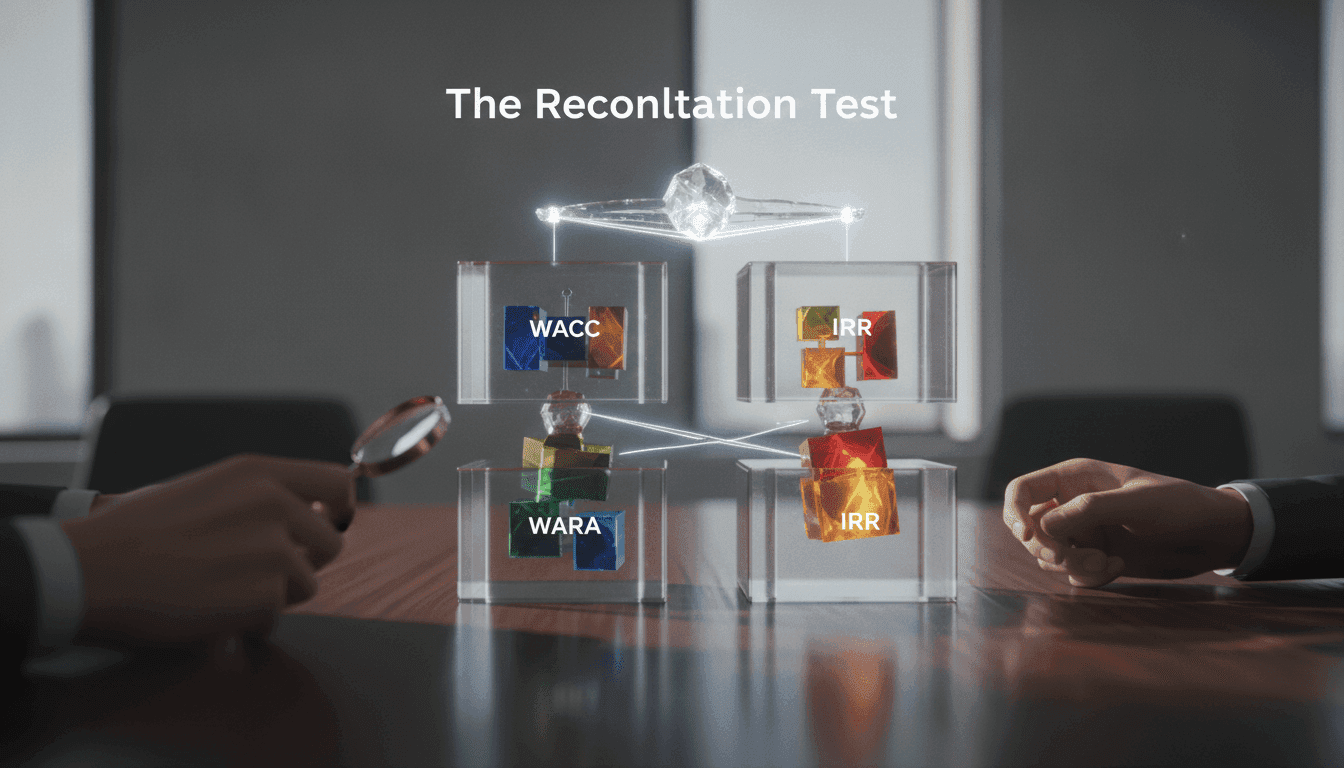
WACC vs WARA vs IRR: The Reconciliation Test Auditors Apply to Every Purchase Price Allocation
Learn how auditors reconcile WACC, WARA, and IRR in every ASC 805 purchase price allocation. Discover why reconciliations fail, acceptable tolerance ranges, common audit red flags, and how to build an audit-ready PPA valuation.

Pre-Money vs Post-Money Valuation: Formula, Difference & Examples
When a startup raises capital, one of the first questions founders and investors discuss is valuation. But valuation during fundraising can be confusing because the same company may be described using two different numbers: pre-money valuation and post-money valuation.

409A Valuation Explained: Process, Cost and Reports
A 409A valuation determines the fair market value of your company’s common stock, ensuring IRS compliance for employee stock options. Proper valuations protect employees from tax penalties, support fundraising, and strengthen investor confidence. Startups should update valuations annually or after major events and work with experienced, independent appraisers to maintain audit-ready reports.